Hi Friends,
I’m so glad you’re here with me today. I always enjoy spending this time with you, and this week I’ve got some really good genealogy reading to
share.
We’re looking at early U.S. census records from 1790 to 1840 and discussing why the government counted people the way it did in those early years. Then we move into the
1850 census and later, when things changed, and people began to be listed one by one. That one change gave us so much more to work with as family historians, and it opened the door to details that can help bring our ancestors into clearer view.
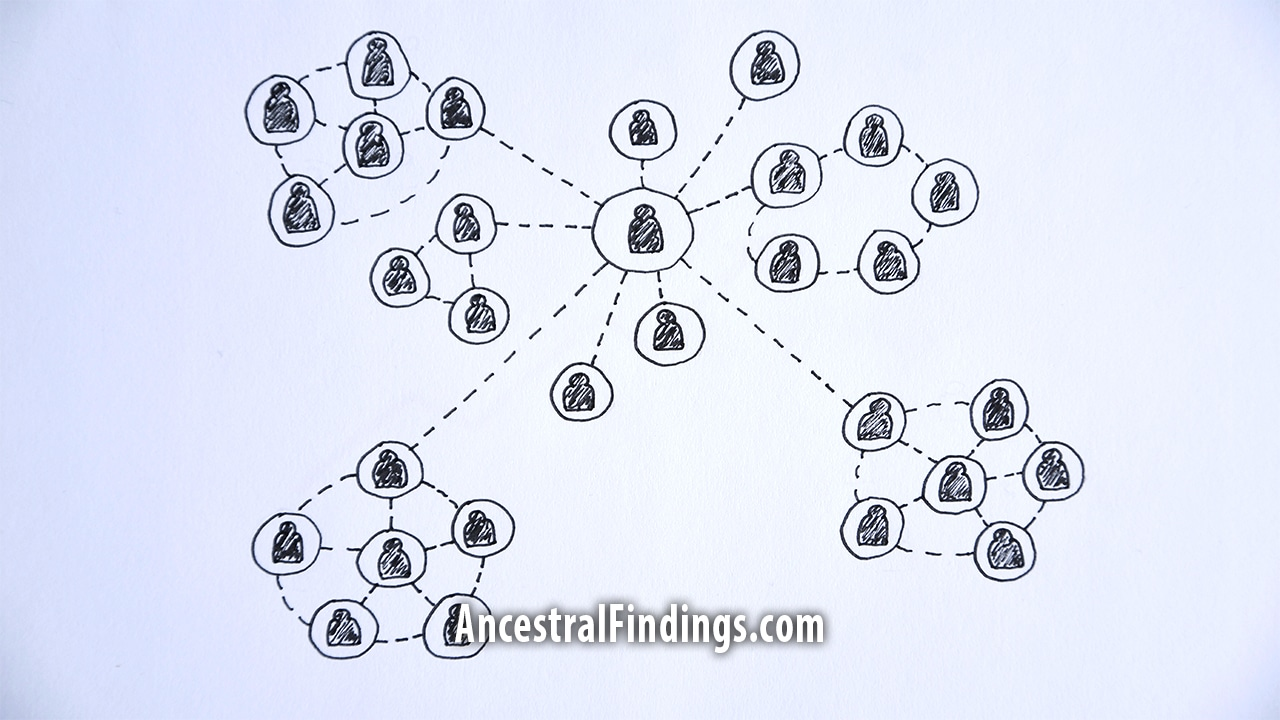
I’m also sharing an article on the sideways search method, and I think it's going to connect with a lot of you. If you’ve ever felt stuck on an ancestor and not known what to do next, this approach can really help. Sometimes the
answer is not in the direct record you expected to find. Sometimes it shows up among the people around your ancestor, such as neighbors, witnesses, friends, and extended family.
And while you’re here, I want to encourage you to subscribe and listen to the Ancestral Findings Podcast if you haven’t already. On the podcast, I share stories from the past along with practical help for family history research. We discuss genealogy, historical records, and biographies that bring people and places to life. You’ll also find guidance for getting past research roadblocks and making better sense of the records you’re using. Whether you’re listening to recent episodes or going back through older ones, I think you’ll find plenty there to encourage you and help you along the way.
So whether you’ve been spending time with census records lately, or you’re trying to get past a stubborn brick wall, I think you’ll
find something helpful and encouraging in this week’s articles.
Happy Searching!
Will